Lisbon, tram 28 at dawn
Flagship 00000000
khėnsu.ñü
webË, private by design. Post-quantum.
Run profitably by the people.
Work · Flagship 00000000
khensu.nu
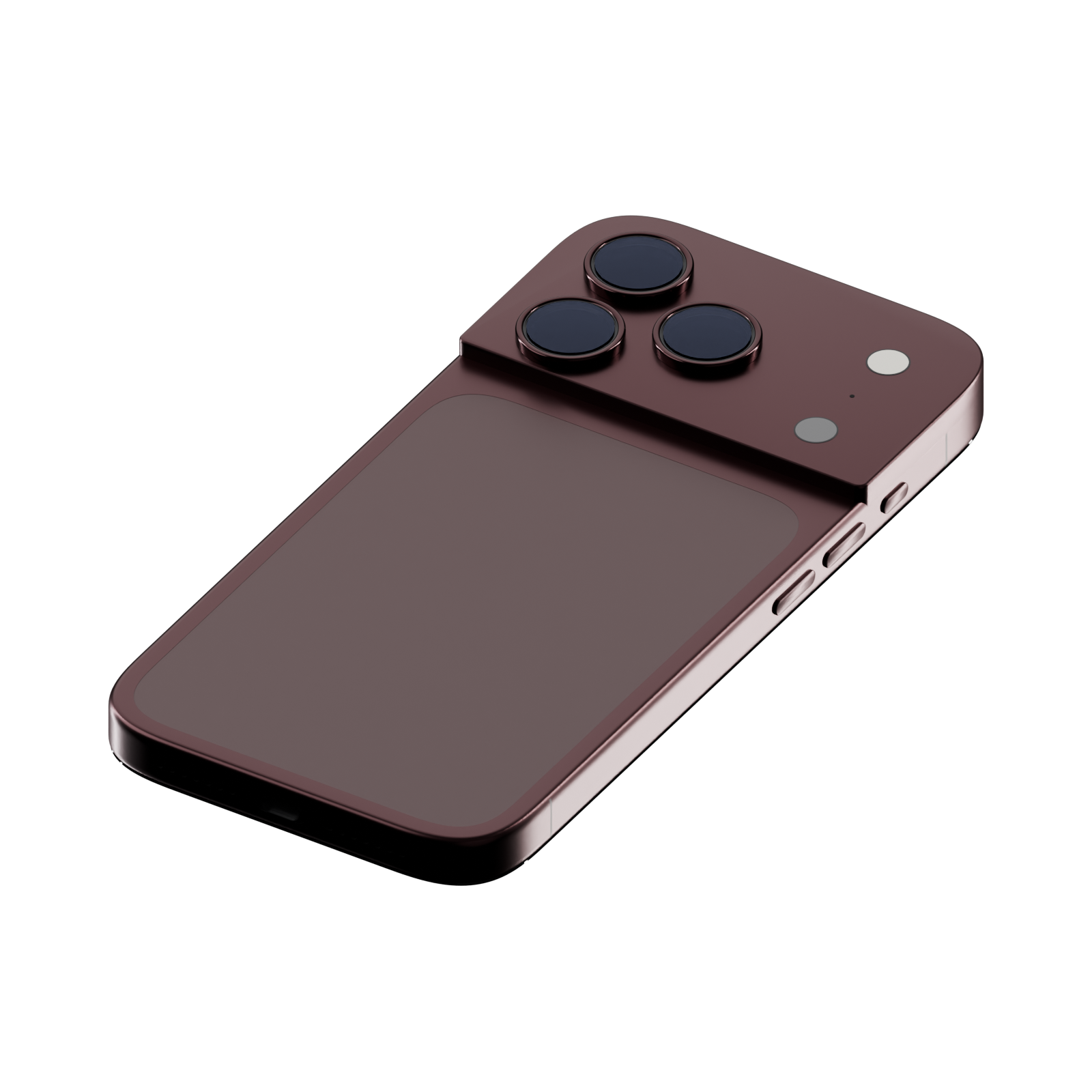
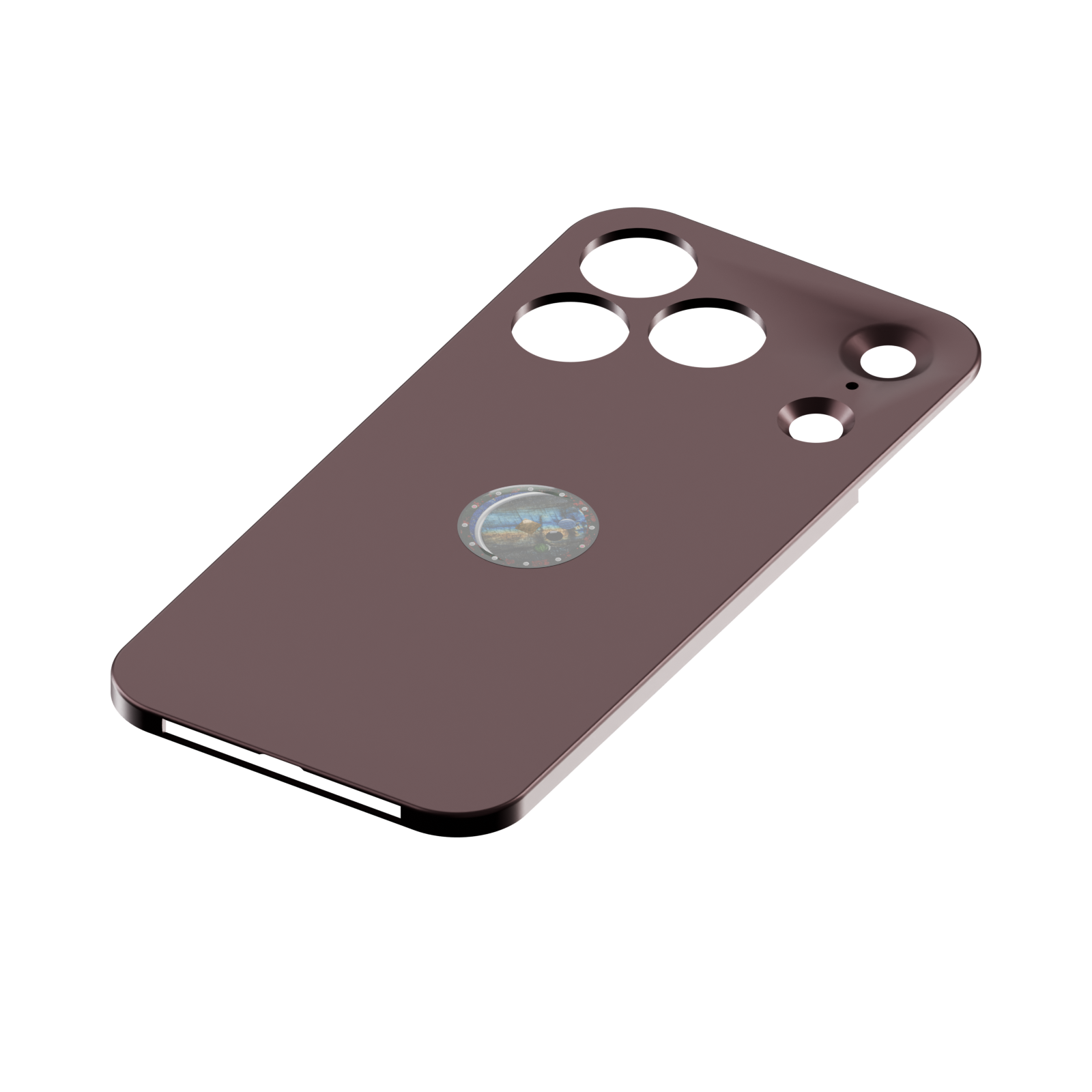
Private messenger · the first app on webË
A post-quantum messenger on a network run by people instead of a company. No one can read what you send or see who you send it to, and there are no servers processing your data. Messages, calls, feeds, forums, sites and private payments, carried by small computers in people’s homes: one Raspberry Pi carries about 1,700 people a day. Operators are paid for the work they do, and a node runs on any connection, satellite internet included.





elliottwave.studio lab · Lab & Studio
We don’t enter categories.
We define them.
elliottwave.studio lab makes technology and art, and blurs the line between the two. We skip crowded markets and incremental products, and build foundational technology where the existing category is the wrong shape. We build it on open standards, measure it in public terms, and own it end to end.
What the studio does
A lab that ships.
Research lab rigour, design studio finish. Every project starts from a first-principles question and ends as a product people can build on.
- 01
Find the wrong shape
We look for markets where every product is an iteration on an assumption that no longer holds. That is where a new category is waiting.
- 02
Build the whole stack
Protocol to pixel, in-house. When the outcome depends on a layer, we own that layer instead of renting someone else’s decisions.
- 03
Ship the category, not a feature
A product, the SDKs to build on it, the documentation, and the language to describe it. Released when the numbers say it is ready.
Work · Flagship 02
MOQOM
Media Over QUIC Orchestration Mesh
Real-time video built on Media over QUIC, the new IETF standard for live media. Conversational latency at broadcast scale, with sub-60 ms glass-to-glass latency from one phone’s camera to another phone’s screen. End-to-end encrypted and post-quantum in every room, required rather than optional, so the relays carry media they can’t read, and 1:1 calls go point to point without a relay at all. Resilient on the mobile networks people actually use, with durable playback: late joiners see a picture instantly and viewers who drop come straight back.
- Median glass-to-glass latency
- 56–57 ms
- p95 glass-to-glass latency
- 70 ms
- Viewers on one 4-vCPU relay, zero loss
- 6,000
- End-to-end encryption per frame, required in every room
- 54 µs
Work · Project 03
six10nine
A macOS menu bar app that gives every app the same ⌘ chords, with on-device AI. While your Mac is idle, it helps Einstein@home search for ripples in spacetime. Free and source-available for noncommercial use. Release planned October 2026.
Work · Project 04
Unify
Perfect group photos in one tap, from your Live Photos, with every face really yours. Featured by Apple, and now being updated and promoted from the lab.
Work · Project 05
Kalopsia
Whole real spaces you explore instead of scroll. No feed to swipe: walk through, then teleport to the next, in VR, AR, visionOS, on mobile and on the web. In the lab since 2015, coming this month or this quarter.
Work · Project 06
Ticketing, rebuilt.
Ticketing for live and digital events, without fee gouging. Ticketing has been iterated on for decades and still frustrates the people on both sides of the ticket. We started over instead. How, we’ll show at launch. Coming this month or this quarter (October or Q4 2026).
Next
More in the lab, unannounced.
We don’t preview work before it is ready to define its category. When it is, it will be here.